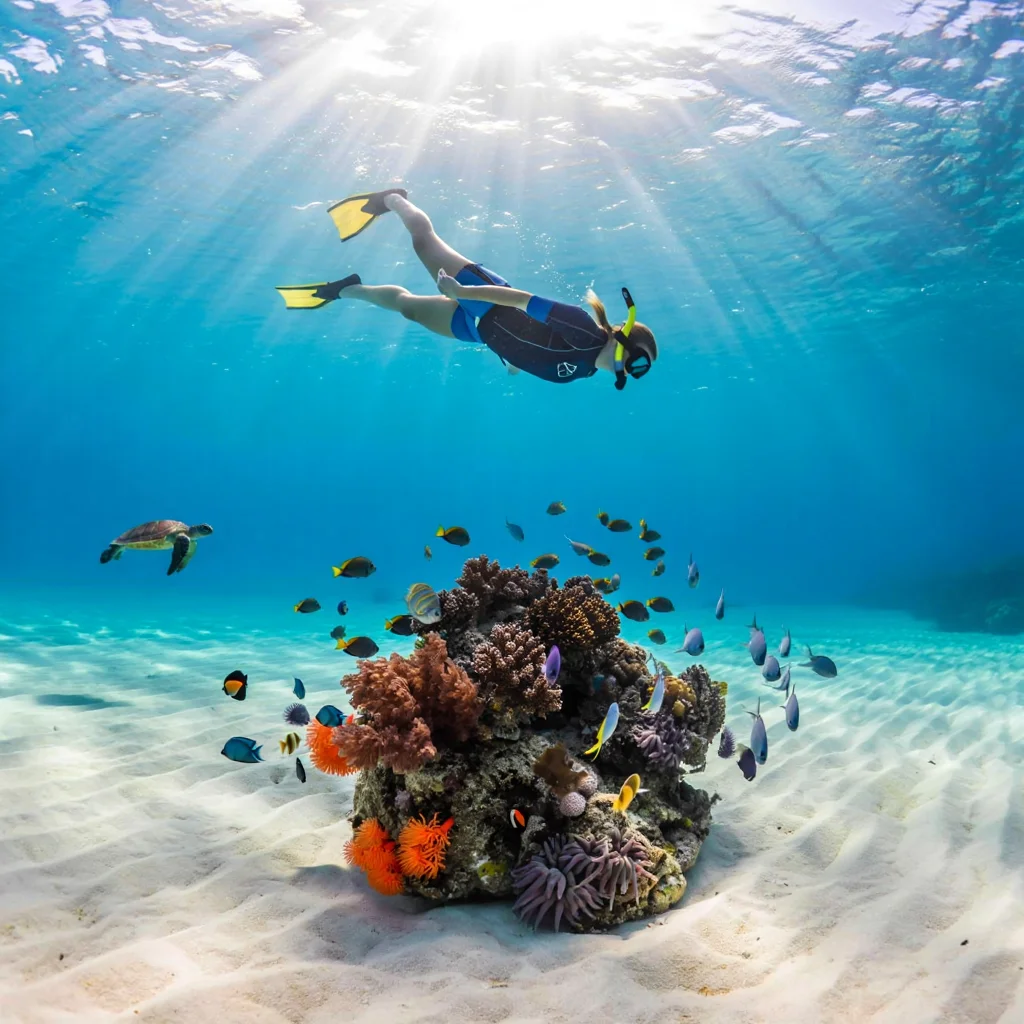
Mnemba Atoll
This marine conservation area features shallow coral gardens and steep walls attracting green sea turtles and schools of reef fish.
Scan the outer reef edge for turtles and eagle rays.
The waters off Zanzibar City shelter one of the Indian Ocean's most biodiverse reef systems, where coastal walls drop into channels frequented by migratory pelagics and resident turtle populations. This guide catalogs the marine life you'll encounter across the archipelago's most-visited dive sites and explains how season and tide shape what you'll see below the surface.
Quick answer
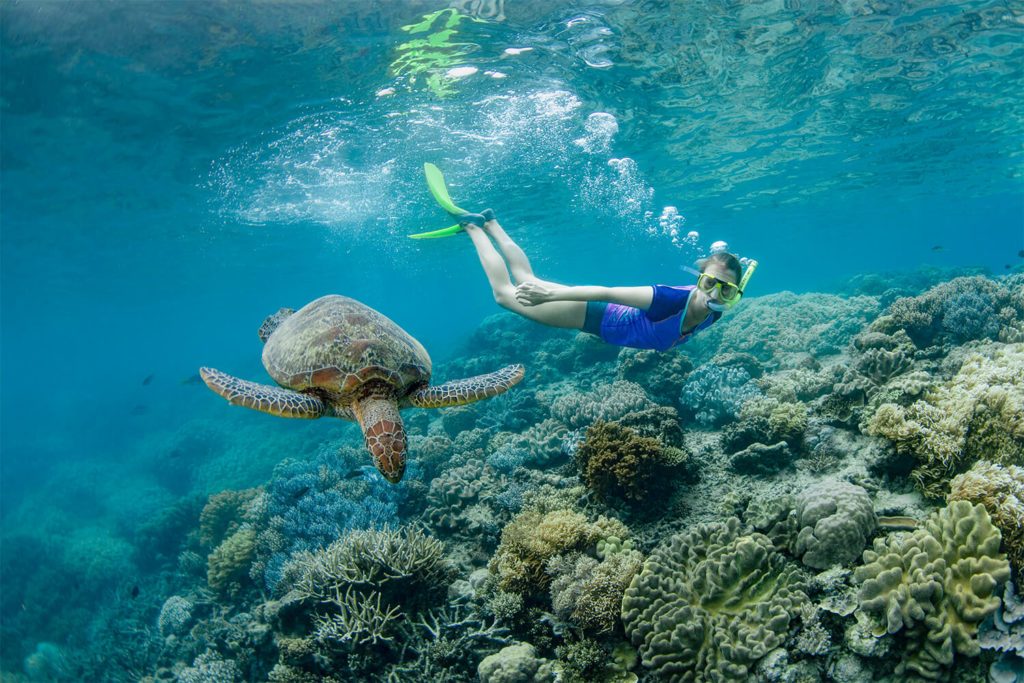
Zanzibar diving what to see includes hawksbill and green sea turtles, Napoleon wrasse, blue-spotted stingrays, octopus, moray eels, barracuda, reef sharks, dolphins, and over 500 species of reef fish across hard and soft coral gardens. Mnemba Atoll and Leven Bank offer the highest species density, while the wrecks near Stone Town host schooling snappers and lionfish colonies.
The Indian Ocean's equatorial currents converge off Zanzibar's eastern shelf, delivering nutrient-rich water that sustains coral coverage exceeding 40 percent across the archipelago's northern atolls. This confluence supports permanent populations of hawksbill and green turtles, resident pods of Indo-Pacific bottlenose dolphins, and seasonal visits from whale sharks between October and February. Most dive operators work a circuit of eight to twelve sites within a 90-minute boat range of Stone Town, each defined by its substrate and the species that substrate attracts. Coral architecture determines what lives where. The staghorn thickets at Mnemba's northern wall shelter juvenile parrotfish, butterflyfish, and damselfish in densities that can obscure the reef itself during spawning aggregations. Deeper walls along Leven Bank attract pelagic hunters—giant trevally, barracuda, and occasional hammerhead sharks—that patrol the drop-off where the continental shelf falls away into the Pemba Channel. Hard corals dominate shallow sites above 12 meters, while soft corals and gorgonian fans take over below 18 meters where light penetration decreases. Each zone carries its own catalogue of residents: blue-spotted ribbontail rays on sandy channels, moray eels in crevice systems, octopus on rubble slopes, and Napoleon wrasse along the outer reef edges. Visibility governs encounter rates more than any other variable. Morning dives before 10:00 consistently yield 20 to 30 meters of clarity, enough to spot larger animals—turtles, rays, reef sharks—from a distance and track their movement through the water column. Afternoon wind chop stirs surface sediment and reduces visibility to 10 to 15 meters, compressing the dive into close-range encounters with macro subjects like nudibranchs, shrimp, and juvenile fish. Zanzibar diving what to see shifts with the tide cycle as well: incoming tides pull plankton and baitfish onto the reef, triggering feeding behavior among predators, while outgoing tides clear the water but scatter the prey species that draw larger animals into shallow zones. Site selection follows seasonal patterns documented across two decades of operator logs. Mnemba Atoll remains diveable year-round, though November swells occasionally force cancellations on its exposed eastern flanks. Leven Bank, lying 15 kilometers offshore, delivers the archipelago's most reliable big-animal encounters—dolphins, tuna, kingfish—but requires advanced certification due to currents that exceed one knot on spring tides. Closer to shore, the wrecks of the Royal Navy lighter and the Pange Reef patrol boat have matured into artificial reefs colonized by soft corals, schooling snappers, and resident lionfish populations that now number in the hundreds. These sites sit in 12 to 18 meters of water and serve as training grounds for newly certified divers before they move to deeper walls. Underwater encounters in Zanzibar depend less on luck than on alignment—right site, right tide, right hour. Operators schedule two-tank dives to capture morning clarity on the first descent and use the surface interval to reposition for a second site where afternoon light angles favor macro photography. The archipelago's reef system does not promise megafauna on every dive, but it delivers consistent encounters with turtles, rays, and coral-dependent species across a depth range accessible to divers of all certification levels.
“The staghorn thickets at Mnemba's northern wall shelter juvenile fish in densities that can obscure the reef itself during spawning aggregations.”
The waters surrounding Zanzibar offer a diverse marine environment ranging from protected coral atolls to historic shipwrecks. Divers encounter a variety of tropical species and structural formations throughout the archipelago.
This marine conservation area features shallow coral gardens and steep walls attracting green sea turtles and schools of reef fish.
Scan the outer reef edge for turtles and eagle rays.
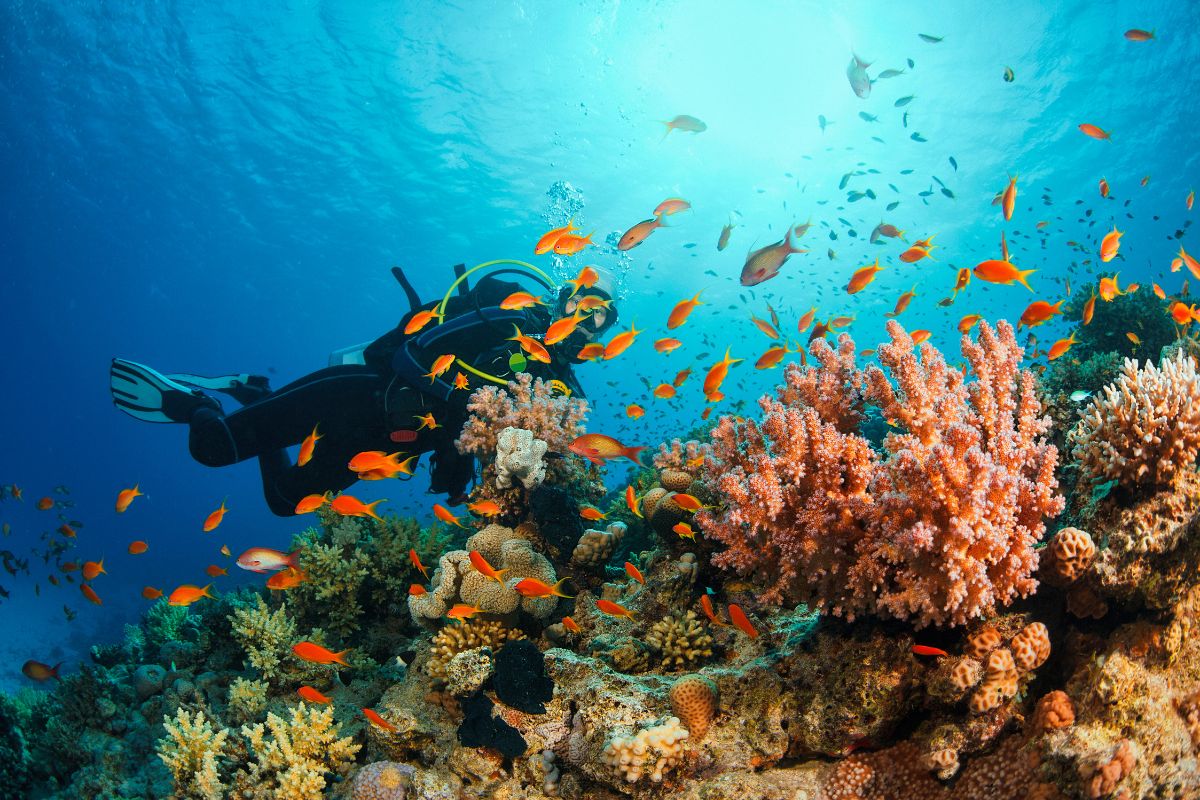
A vertical drop-off teeming with soft corals, sponges, and gorgonian fans that provide habitat for macro life.
Observe crevices for nudibranchs and smaller crustaceans.
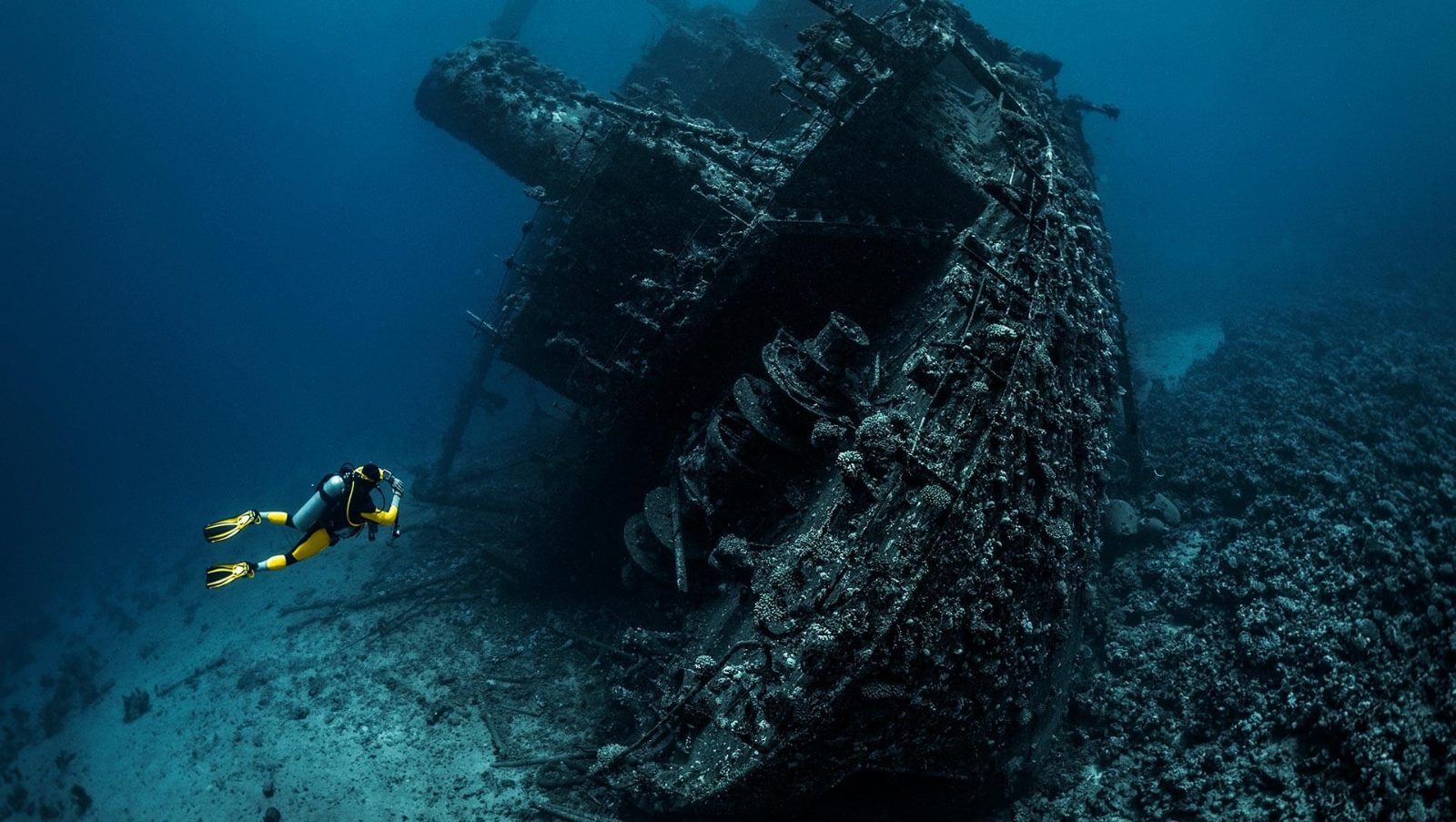
An artificial reef site where marine life congregates around the submerged structure, often hosting groupers and snapper.
Use a torch to inspect the wreck interior for hidden occupants.
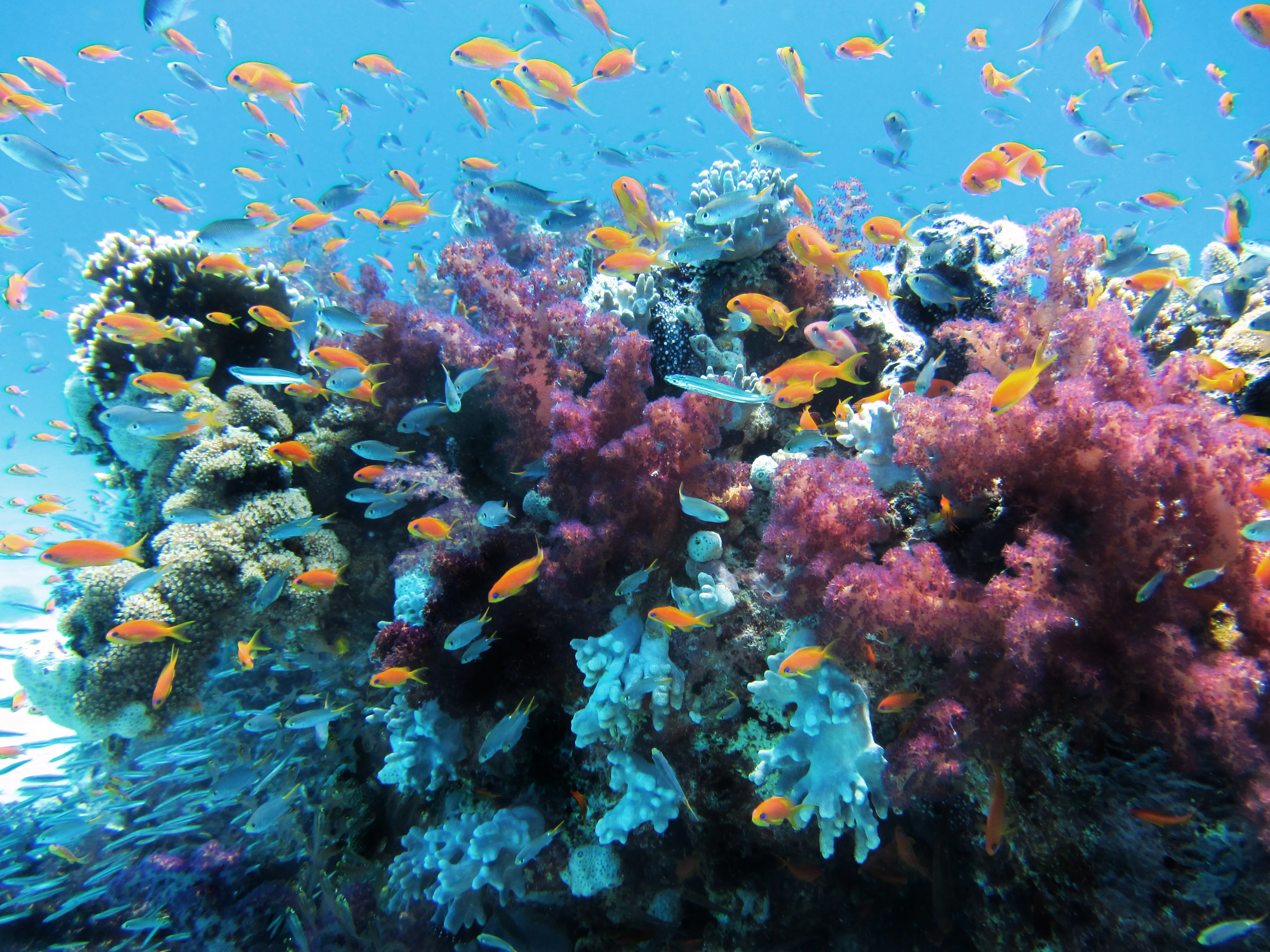
A site characterized by sloping topography and diverse hard coral coverage, frequently visited by blue-spotted stingrays.
Look under coral ledges to spot resting stingrays.
Optimal diving conditions in Zanzibar occur during the dry seasons when water visibility is at its peak. Daily planning should prioritize the morning hours to take advantage of calmer sea conditions before winds increase.
Dry, 25°C to 28°C
These months offer the most reliable visibility and stable weather for underwater activities.
Warm, 27°C to 30°C
Expect calm seas and high temperatures, making this a favored window for extended excursions.
—
Arrival between 08:00–10:00 ensures access to the calmest water and highest visibility before afternoon wind patterns develop.
Verdict: Plan your visit between June and October, ensuring an arrival window of 08:00–10:00 to maximize underwater clarity and minimize surface turbulence.
Diving activities in Zanzibar City operate on a consistent daily schedule to accommodate various sea conditions. These hours apply to standard diving operations throughout the week.
There is no general entrance fee for diving sites in Zanzibar. Costs are determined entirely by the private operators who provide equipment, boat transport, and guided services.
Verdict: Divers pay 0 USD for site access, with total costs depending on the specific package and equipment requirements set by private dive operators.
Prepare documentation, gear, and health certifications before booking a dive operator in Zanzibar's waters.
Everything you need to know about zanzibar diving what to see
Beginners often find shallow coral gardens and protected reefs ideal for exploring the underwater environment. These sites offer calm conditions and diverse aquatic life perfect for those new to the sport.
The best arrival window is 08:00–10:00 to ensure optimal water visibility and calm seas. Visiting during these morning hours helps you avoid the stronger afternoon winds that can affect underwater conditions.
During your excursion, you can expect to encounter tropical fish, sea turtles, and vibrant coral formations. Many divers also spot reef sharks and various rays depending on the specific location visited.
There is no general site entry fee as diving is conducted via private operators. You will pay for the services provided by your chosen dive center directly.
Diving operations generally function within the daily window of 08:00–17:00, Monday through Sunday. Private operators arrange their schedules to align with tidal patterns and customer bookings within these hours.
Yes, many operators offer family-friendly snorkeling and introductory dive experiences. It is recommended to check with your provider to ensure the selected sites are suitable for all age groups.