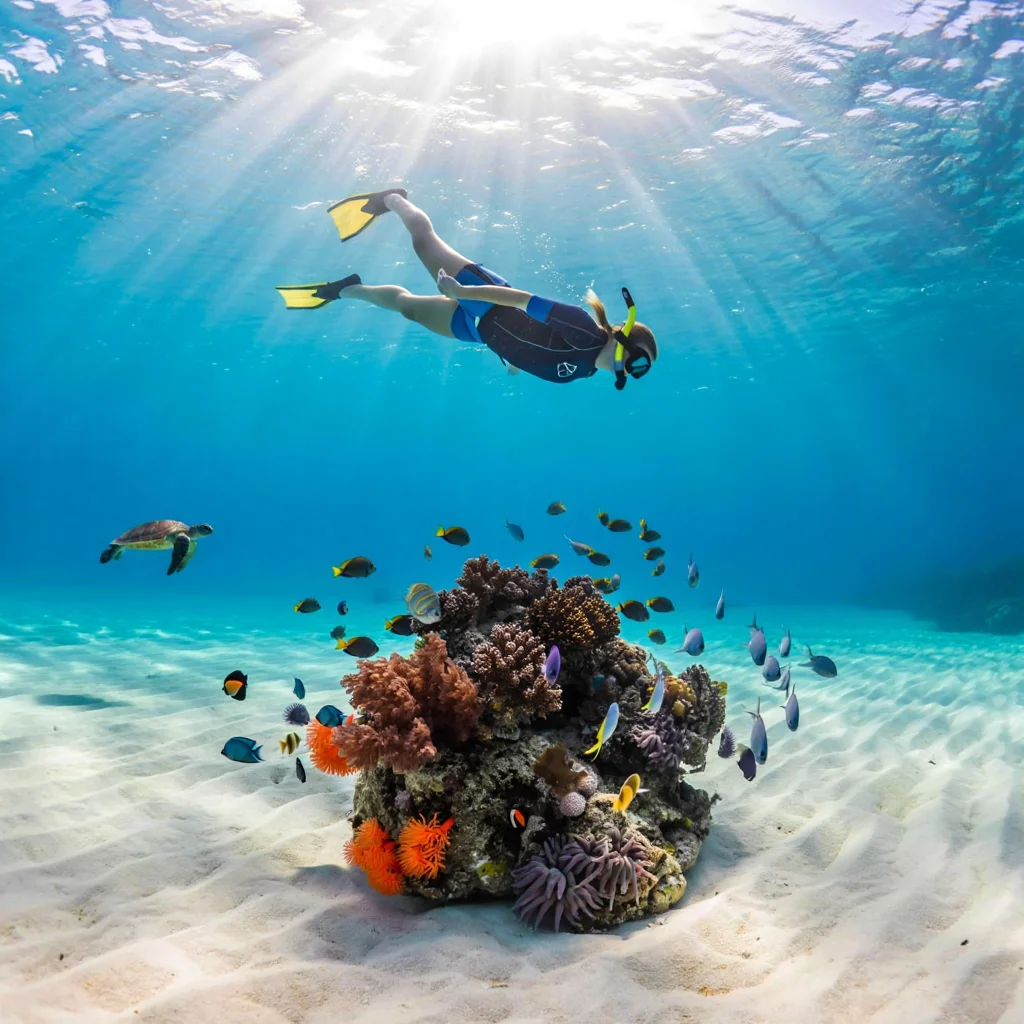
Mnemba Atoll
A protected marine conservation area known for its clear visibility and shallow coral reefs. It frequently hosts schools of snapper, trevally, and green sea turtles.
Visit during high tide for the clearest underwater visibility.

The waters surrounding Zanzibar City offer access to coral walls, shipwrecks, and protected marine reserves spread across the Zanzibar Channel and the eastern coastline of Unguja. This guide maps the dive sites within reach of Stone Town, covering depth ranges, marine life, and the logistics of getting there.
Quick answer
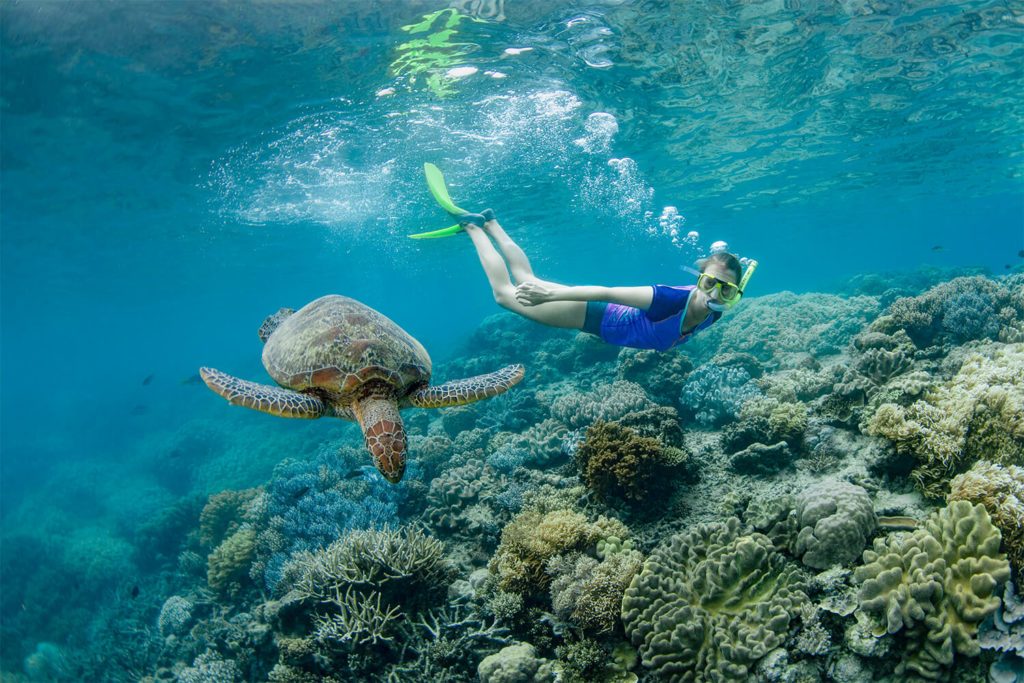
Zanzibar diving spots radiate from Stone Town across three main zones: the near-shore reefs of the Zanzibar Channel, the northern atolls including Mnemba and Tumbatu, and the southern sites near Kizimkazi. Most sites lie between 12 and 30 meters depth, with visibility averaging 15 to 25 meters depending on tidal cycles and season. Access requires a boat transfer, typically departing Stone Town between 08:00 and 11:00 for optimal light and current conditions.
The seabed around Unguja drops in stages—first a shallow fringing reef, then a sand channel, then a steep outer wall that runs parallel to the coast. That wall, punctuated by coral bommies and swim-throughs, holds the richest biodiversity and draws the majority of dive operations. Northern sites cluster around Mnemba Atoll, a marine conservation area 3 kilometers off the northeast coast. The atoll's circular reef encloses a shallow lagoon, while the outer slopes descend to 35 meters. Currents here can run strong during spring tides, pulling nutrients up the wall and attracting pelagic species—barracuda, kingfish, and seasonal whale sharks. Tumbatu Island, further northwest, offers drift dives along vertical coral faces and is less frequented than Mnemba. Both require a 60- to 90-minute boat ride from Stone Town, making them full-morning commitments. Closer to the city, the Bawe and Changuu island reefs provide shorter transfers and calmer conditions suited to newer divers. These sites sit in 10 to 18 meters of water, with hard coral gardens, resident moray eels, and occasional sightings of hawksbill turtles. Visibility here is more variable, influenced by sediment from the channel, and drops during the long rains between March and May. Southern zanzibar diving spots near Kizimkazi focus on sand-bottom sites and coral patches where dolphins and humpback whales pass during migration windows. The underwater topography is gentler, with gradual slopes rather than walls, and dive profiles here are often planned around surface intervals that coincide with dolphin-watching boat activity. Marine park fees are collected per dive rather than as a blanket entrance charge. Operators include the fee in their quoted rates, but it is listed separately on invoices to reflect its designation as a conservation levy. Most dive centers operate from Nungwi and Paje rather than Stone Town itself, requiring either advance arrangement or overland travel to the departure point. Stone Town serves as the logistical and accommodation base, not the embarkation dock. Seasonal patterns affect both visibility and marine encounters. The dry months from June through October deliver the clearest water and the most stable weather, though northeast trade winds between December and February also offer good conditions with slightly cooler water temperatures in the low twenties Celsius. The long rains reduce visibility and increase surface chop, but also bring manta rays to cleaning stations along the outer reefs.
“The outer wall runs parallel to the coast, dropping in stages from shallow coral gardens to deep blue water where the pelagic species patrol.”
The best arrival window for diving in Zanzibar is 08:00–11:00, as these morning hours provide optimal light and tidal conditions for visibility. Planning your visit around these hours ensures you experience the underwater environment during its most favorable state.
—
Arrival between 08:00–11:00 maximizes underwater visibility and utilizes optimal tidal currents.
Dry season with 24°C–28°C
These months offer stable conditions and high visibility, making them the preferred time for reliable diving.
High rainfall with 26°C–30°C
Expect frequent rain showers, which can impact surface conditions and visibility during the long rainy season.
Warm season with 27°C–32°C
Water temperatures are at their highest, though intermittent rain can occur during the short rainy period.
Verdict: The most effective time to dive is during the dry season from June to October, arriving consistently between 08:00 and 11:00.
Dive operators in Zanzibar City maintain consistent daily operations to facilitate access to surrounding marine environments. Facilities are open throughout the week.
Access to the ocean for diving in Zanzibar City is free of charge. Mandatory marine park or conservation fees are applied based on the specific dive site location.
Verdict: A typical adult pays 0 USD for ocean access, with final costs determined by the specific marine park or conservation fees associated with the chosen dive site.
The waters surrounding Unguja offer diverse underwater topography ranging from coral gardens to deep wall dives. These sites host a variety of marine life suitable for different experience levels.
A protected marine conservation area known for its clear visibility and shallow coral reefs. It frequently hosts schools of snapper, trevally, and green sea turtles.
Visit during high tide for the clearest underwater visibility.
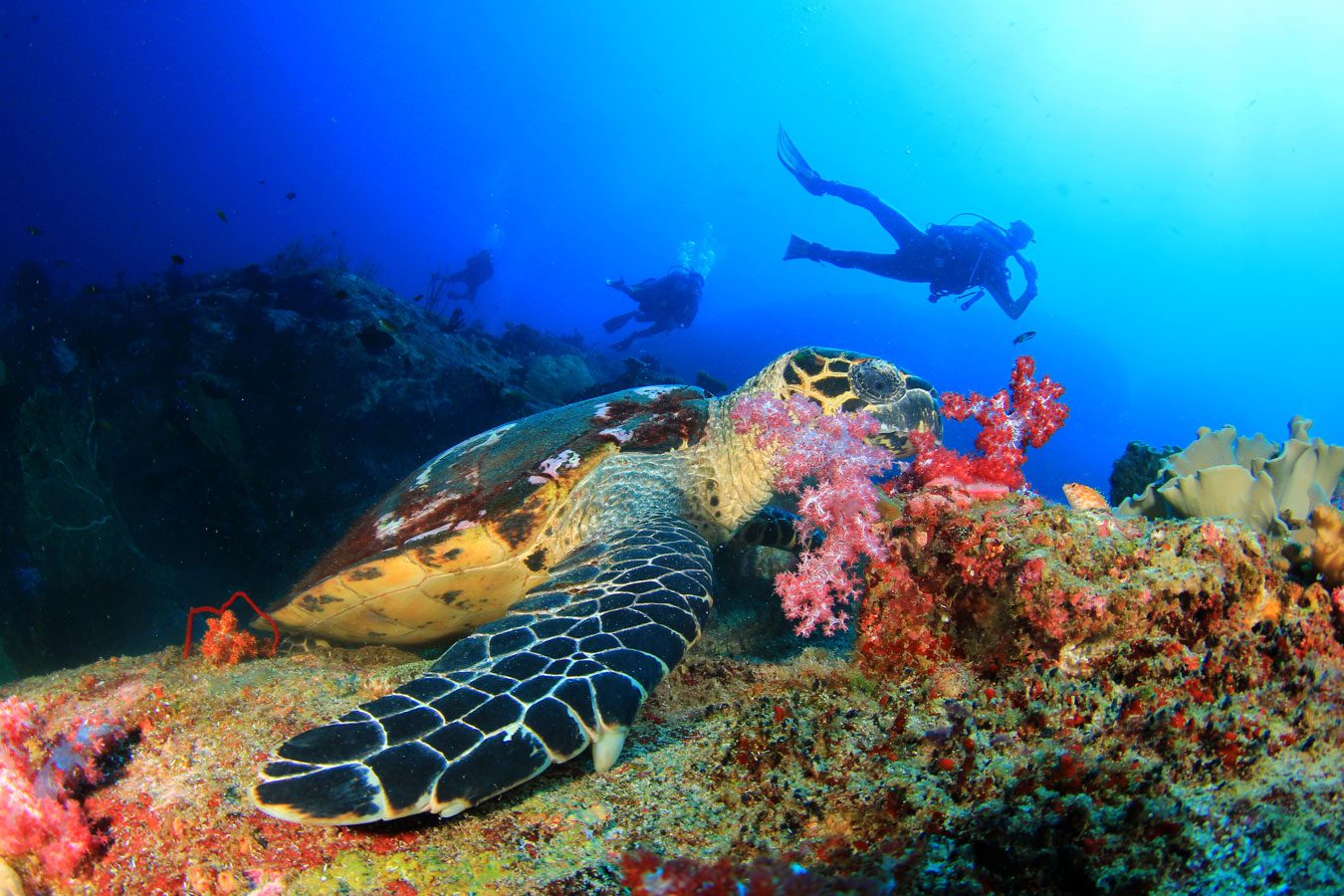
Located off the north coast, this site features a vibrant coral plateau with occasional sightings of reef sharks and rays. The reef topography is relatively flat, making it accessible for divers.
Watch for macro life hiding within the coral crevices.
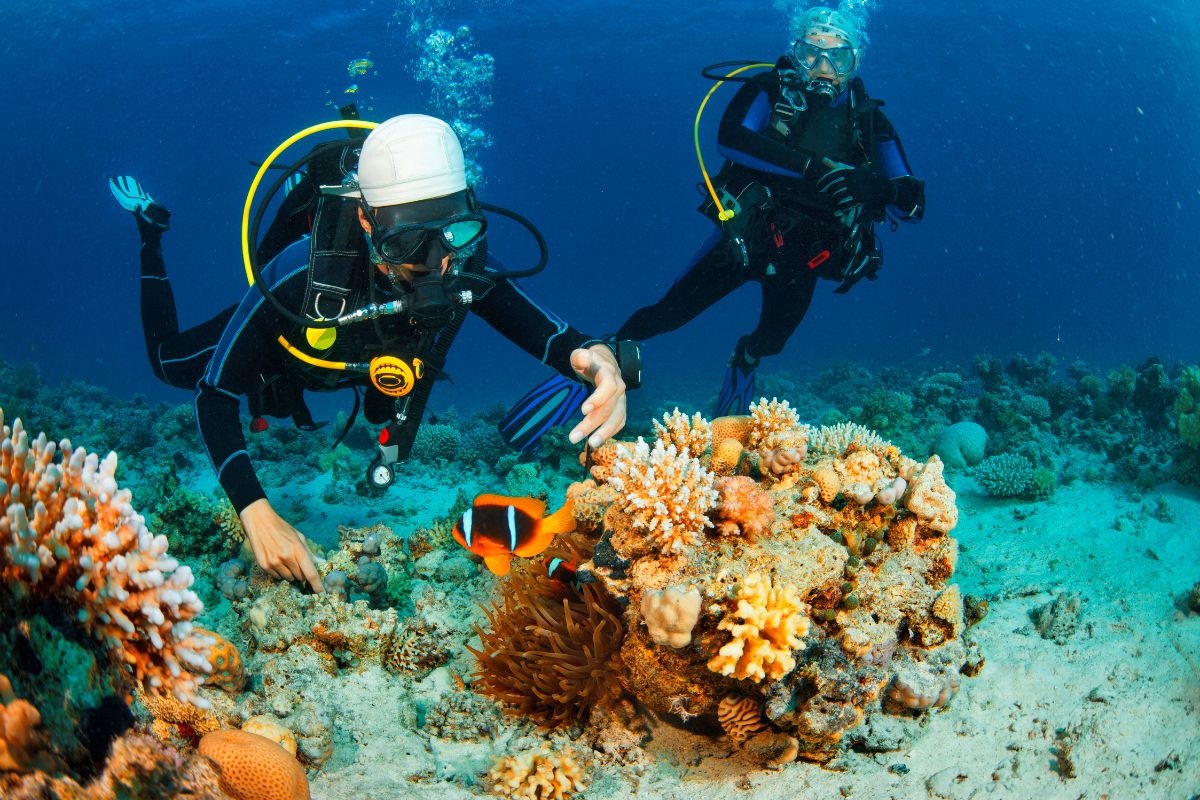
A dramatic vertical drop-off starting at approximately 12 meters and descending into deeper water. Divers can observe soft corals, gorgonian fans, and pelagic species patrolling the edge.
Stay close to the wall to spot camouflaged scorpionfish.
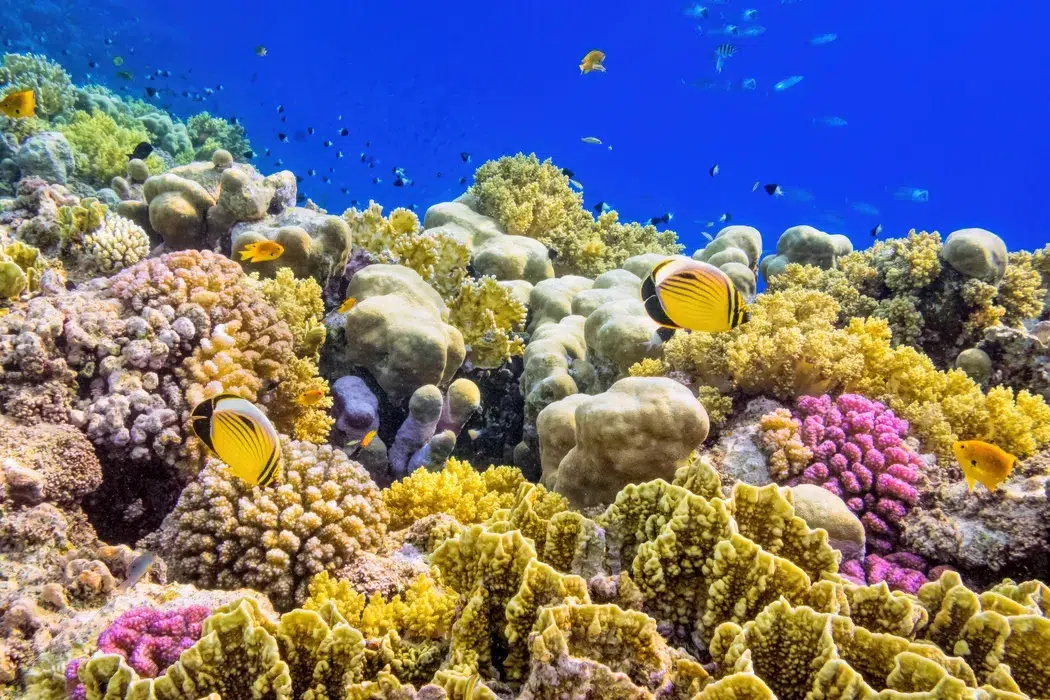
This reef offers a mix of hard and soft corals populated by diverse tropical fish species. It is a preferred location for observing smaller marine organisms and nocturnal creatures.
Look under rocky overhangs for resting lionfish.
Prepare these documents and items before arriving at Stone Town for your dive.
Everything you need to know about zanzibar diving spots
The best time to experience zanzibar diving spots is during the morning, as this provides optimal light and tidal conditions for visibility. Many divers prefer visiting between 08:00 and 11:00 to avoid strong afternoon currents.
Access to the ocean is free, meaning there are no general entrance fees for zanzibar diving spots themselves. However, please note that specific marine parks or conservation areas may require visitors to pay additional conservation fees per dive site.
For the best experience at these zanzibar diving spots, visitors are advised to arrive between 08:00 and 11:00. These hours typically offer the most stable conditions and clear water clarity for underwater exploration.
Many of the local underwater locations offer training and shallow reefs perfect for those learning to dive. Professional guides at various zanzibar diving spots can provide equipment and safety briefings for novice adventurers.
Most dive operators are based in Stone Town, Zanzibar City, and provide boat transport to reach the offshore reefs. You can arrange excursions through certified centers that focus on the most popular coral formations in the region.
Yes, it is standard practice to carry identification when participating in organized tours or visiting regulated marine zones. Your dive center will often require this information for registration and safety documentation before you enter the water.